

Tell Us About Your Home
01Share your postcode, electricity usage and basic property information.

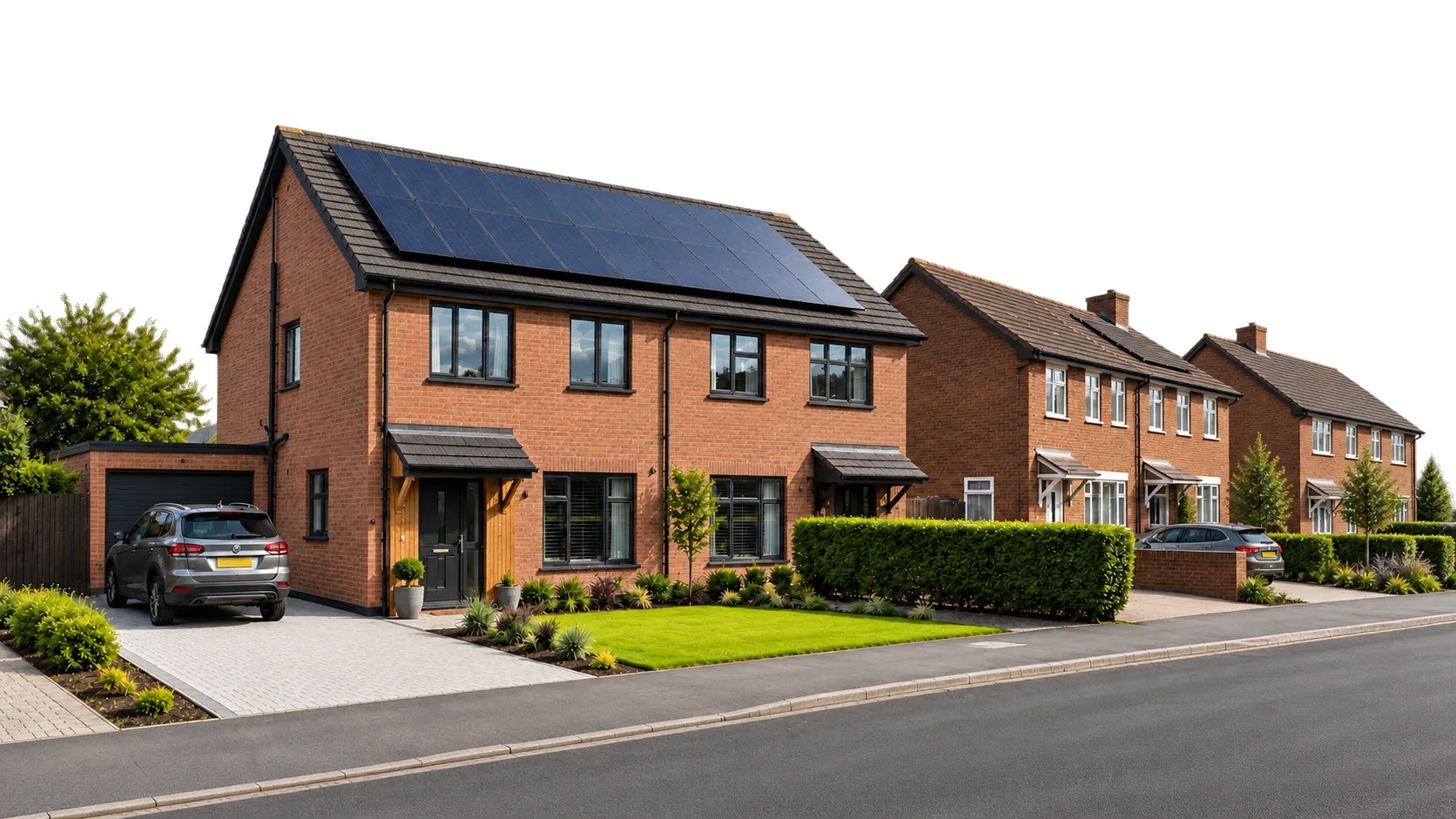

Generate more of your own electricity and reduce reliance on the grid with a solar PV system designed around your roof, electricity use and future energy needs. Eco Energy Services provides professionally designed solar panels, battery storage, smart monitoring and support with the paperwork required to get your system connected.
 MCS-certified installationCoverage across Great BritainSolar + battery optionsSmart monitoringFlexible payment options
Read our Trustpilot reviews


Try our roof planner
Draw your own solar panels
installations across Eco Energy Services home-energy work
registered PAS 2030/2035 compliant retrofit work
MCS is the UK quality mark for renewable energy systems
Combined industry experience
Eligible home solar & batteries to 31 March 2027
Great Britain: England, Scotland and Wales
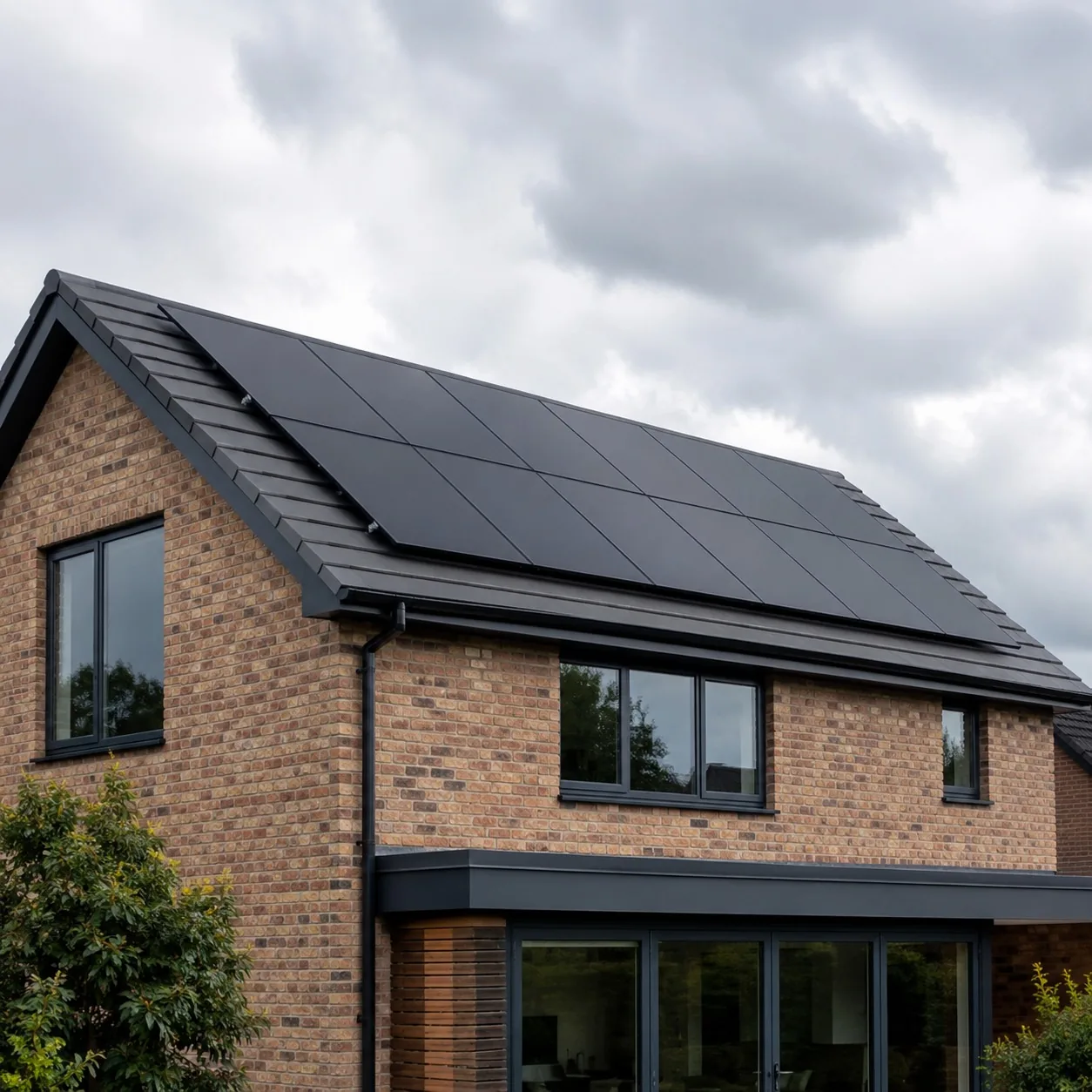
Panel quantity and capacity are sized to your usable roof area, orientation, shading and electricity use.
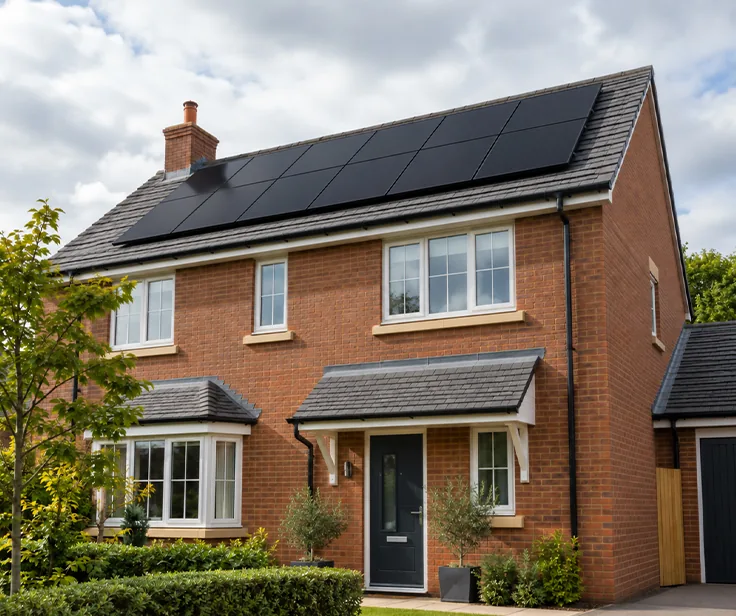
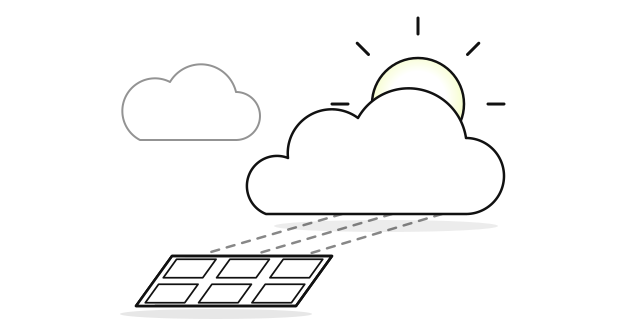
Solar panels generate electricity from daylight, so they continue producing power during typical UK weather, although output varies with sunlight, roof direction, shading and season. A well-designed system can reduce the amount of electricity a household buys from the grid, while battery storage can keep surplus daytime generation for use later in the day.
Whether solar makes financial sense for a particular home depends on the system size, electricity consumption, roof conditions, import tariff, export tariff and whether battery storage is included. Eco Energy Services assesses these factors before recommending a system.
Share your postcode, electricity usage and basic property information.
We assess the roof, usable installation area and the household's electricity requirements.
A proposed panel layout and system specification are prepared around the property.
The homeowner reviews the proposed system, expected generation, equipment and payment options before proceeding.
The solar PV system is installed according to the approved design by appropriately qualified installers.
Once commissioned, the system's monitoring and relevant documentation are provided and our team remains available for support.
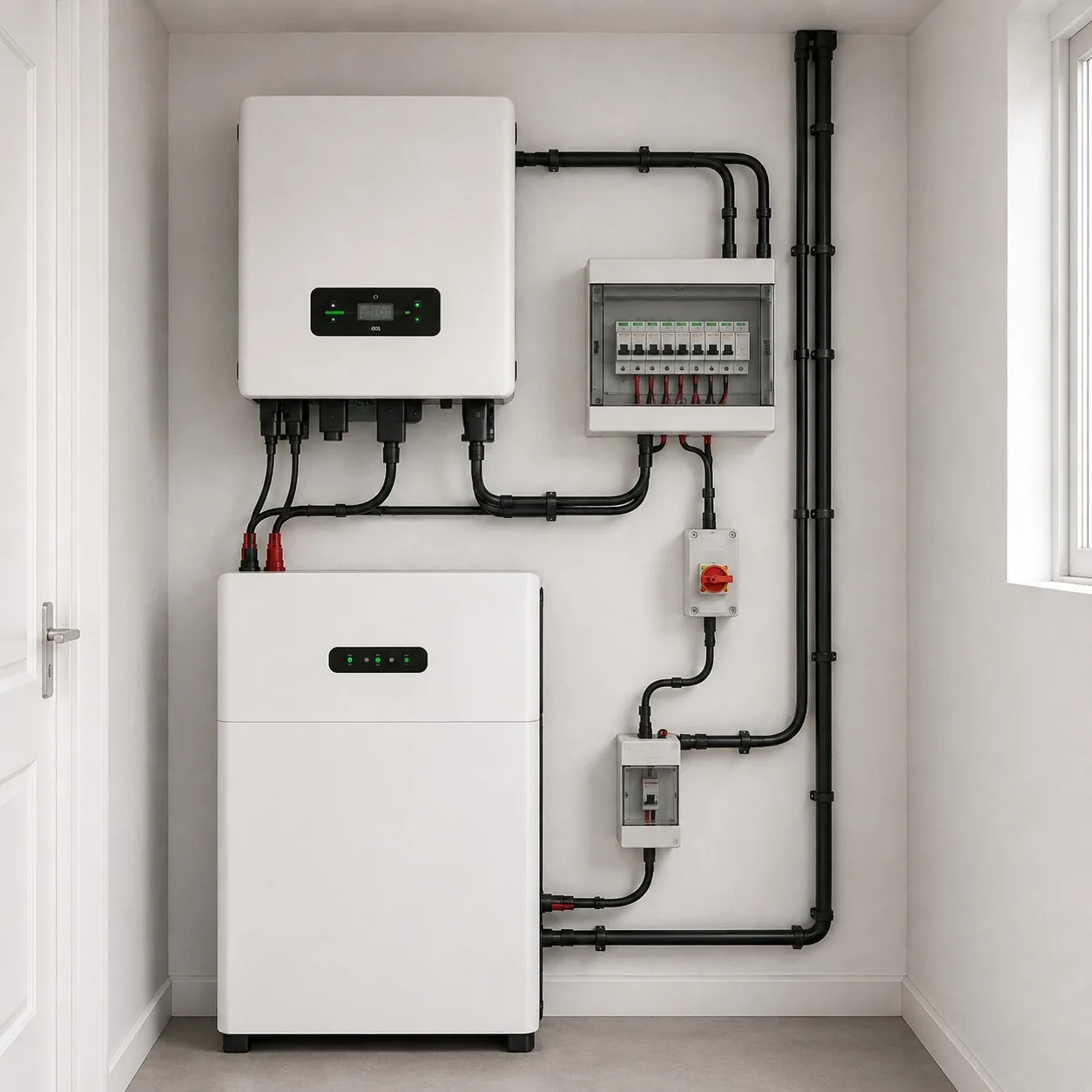
A solar installation works best when the panels, inverter, battery, monitoring and household electricity use are designed as one system. Rather than forcing every property into the same package, the system should be sized around the property's roof and consumption profile.
Panels, inverter, battery and monitoring designed togetherMCS-certified installationTry our roof planner
Draw your own solar panels
Read our Trustpilot reviews

Solar panels convert daylight into electricity your home can use. Panel quantity and system capacity should be based on usable roof area, orientation, shading and electricity consumption.
Sized to usable roof areaOrientation & shading assessedSpecification shown in your quoteMatched to your consumption
The exact panel model and its manufacturer warranty are stated in your quotation.
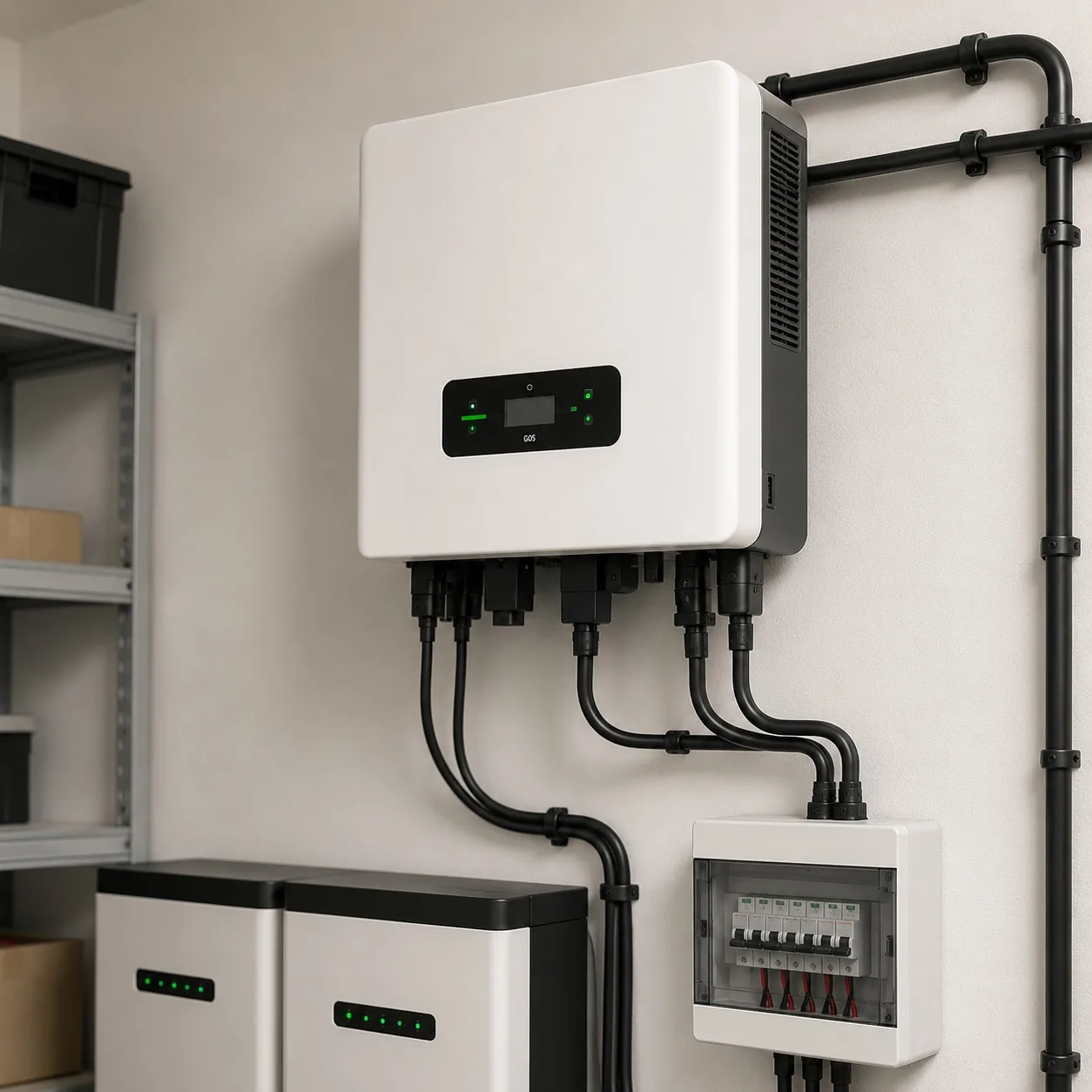
The inverter converts electricity generated by the solar array into power your home can use and manages the flow between panels, battery, household and grid.
Converts DC to household ACManages battery chargingControls grid import & exportLive monitoring on compatible systemsCompatible systems can also provide live generation and consumption monitoring.
A solar battery stores electricity that would otherwise be exported during periods of excess generation. That stored energy can then be used when household demand is higher or solar generation is lower.
Stores surplus generationUse solar later in the dayCapacity sized to your usageCan be added to suitable systemsWhether a battery is worthwhile depends on your usage pattern, tariff and export rate.
Monitor solar generation, battery charging and household energy use through the compatible monitoring platform supplied with the selected system.
Solar generationBattery charge & dischargeHousehold consumptionGrid import & exportThe monitoring platform depends on the inverter and battery selected for your system.
Panels are fixed to the roof with a mounting system selected for the roof covering and structure.
Chosen for your roof typeFixed to the roof structureBird-proofing availableScaffolding & fitting in quoteMounting, scaffolding and any bird-proofing are itemised in your quotation.
Eco Energy Services is not limited to a single panel, battery or inverter brand. Equipment can be selected according to system requirements, compatibility, warranty, technical performance and the homeowner's priorities.
The panels, inverter and battery proposed for your home, and the manufacturer warranty for each, are named in your quotation so you can review them before deciding.
The cost of a residential solar system depends mainly on system size, panel specification, battery capacity, inverter choice, roof complexity, scaffolding and electrical work. A solar-only installation will generally cost less than a combined solar-and-battery system.
Instead of relying on a generic package price, Eco Energy Services assesses the property and electricity usage before producing a tailored system design and quotation.
Installing solar panels and batteries in homes in Great Britain is currently zero-rated for VAT. HMRC guidance (VAT Notice 708/6) says the rate reverts to 5% from 1 April 2027. Read the GOV.UK VAT guidance.
Eligible £0-upfront finance options may be available, subject to status and applicable lender terms. See payment options.
Solar can reduce the amount of electricity you need to buy from the grid, but the saving is different for every property. The result depends on annual solar generation, when electricity is used, battery capacity, electricity tariffs and the amount of surplus electricity exported.
During the design stage, Eco Energy Services models the proposed system around the property's roof and electricity usage so the homeowner can review the estimated generation and savings before deciding. Online figures are estimates and are confirmed with you before any quotation is final.
Yes.Solar photovoltaic panels generate electricity from daylight rather than requiring direct sunshine. Generation is generally lower during cloudy conditions than during strong sunlight, which is why annual performance should be estimated using the property's location, roof orientation, pitch and shading rather than a single sunny-day output figure.
A battery can store surplus generation for later use, while the electricity grid remains available whenever the home needs more power than the solar-and-battery system is supplying. Panels do not generate at night.
Independent guidance: Energy Saving Trust advice on solar panels.
Neither option is right for every home. Ask your advisor to compare the estimate with and without a battery.
A battery is optional, but it can allow a household to use more of the electricity generated by its solar panels instead of exporting that electricity immediately to the grid. Whether a battery is financially worthwhile depends on household consumption patterns, battery size, electricity tariffs and export rates.
Best suited to
Households using significant electricity during daylight hoursA lower initial system costHomeowners comfortable exporting unused generationBest suited to
Households wanting to shift solar electricity into evening useHigher levels of self-consumptionHomes with suitable consumption patterns and battery economicsSmart Export Guarantee
Eligible households can be paid for electricity they export to the grid through a Smart Export Guarantee tariff from a participating supplier.
Read our Trustpilot reviews
SEG. Smart Export Guarantee tariffs are offered by participating electricity suppliers, who set their own rates and terms. We provide the installation documentation you may need when applying for an eligible tariff.
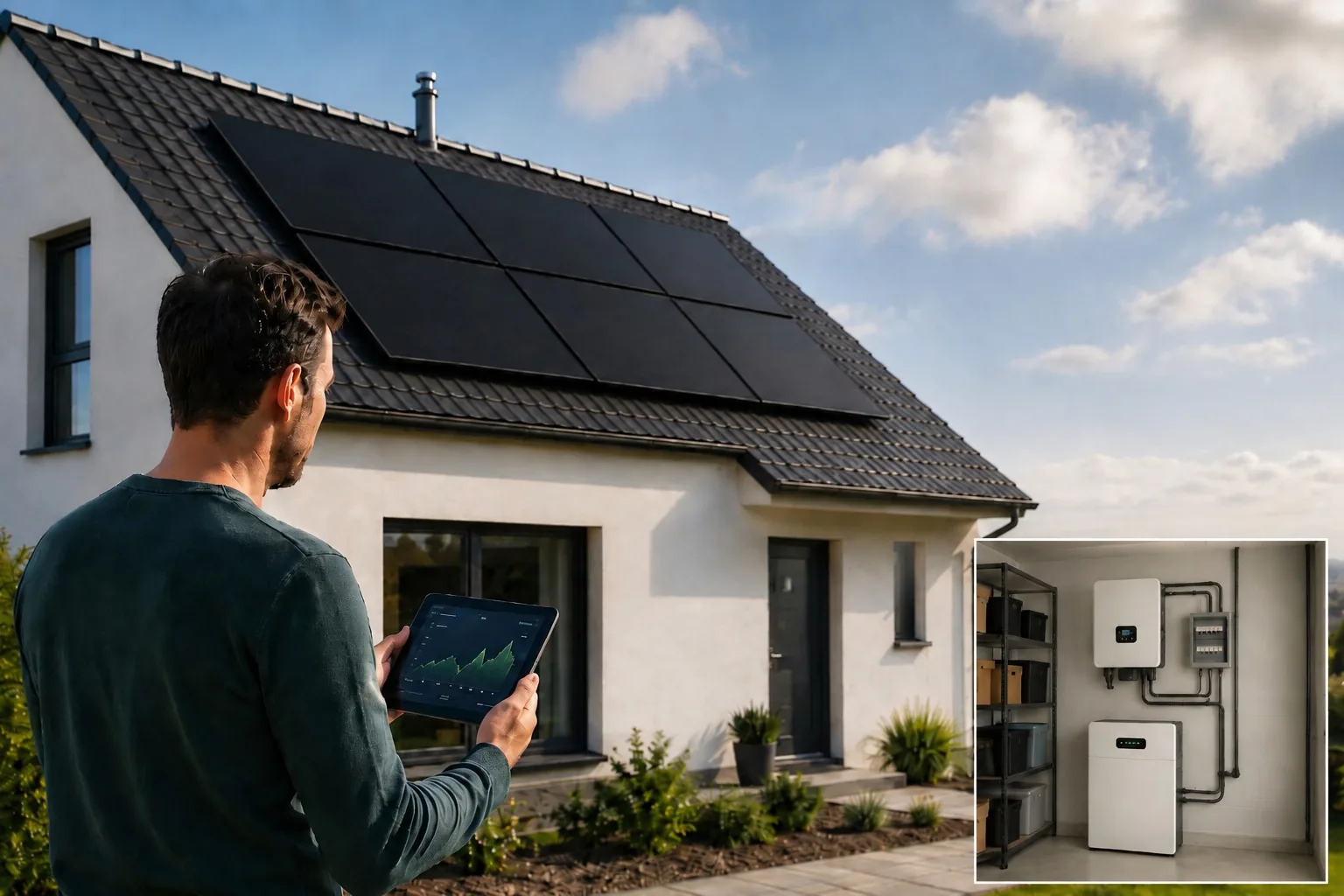
Roof dimensions, usable installation area, shading and electricity use are considered before the final system is specified.
Solar PV systems are installed by MCS-certified installers, and Eco Energy Services is TrustMark registered for PAS 2030/2035 compliant retrofit work.
We support the documentation required for system connection and the information homeowners may need when applying for an eligible Smart Export Guarantee tariff.
We are not limited to specific brands. Equipment is chosen on technical merit, compatibility and warranty, and we are open to your preferences.
Where appropriate, systems can be designed with future electricity demand such as electric vehicles or heat pumps in mind.
After commissioning you receive your system documentation and monitoring access, and our team remains available if you have questions about your system.
Pay upfront or spread the cost. Eligible £0-upfront finance options may be available, subject to status and applicable lender terms.
*Finance is subject to status and the finance provider's terms and conditions. Terms are confirmed for your chosen plan before you proceed. Approval is not guaranteed.
Eligible homeowners may be able to install solar with no upfront payment, subject to status.
Subject to statusTerms confirmed before you commitShown alongside your quotePay upfront if you preferMonthly payment plans may be available so the cost of a system can be spread over a fixed term.
Fixed monthly paymentsTerm agreed with the providerTotal cost shown before you signCompare with paying upfrontMany finance agreements allow early repayment, which can reduce the overall cost of borrowing.
Subject to provider terms*Check any early-settlement chargesAsk your advisor for detailsReview terms before signingThere is no single payback period for every UK home. Solar payback depends on the installation price, annual electricity generation, electricity consumed directly in the home, battery use, electricity prices and export income.
A solar proposal should therefore show the assumptions used to calculate estimated generation and savings rather than relying on one national headline figure.
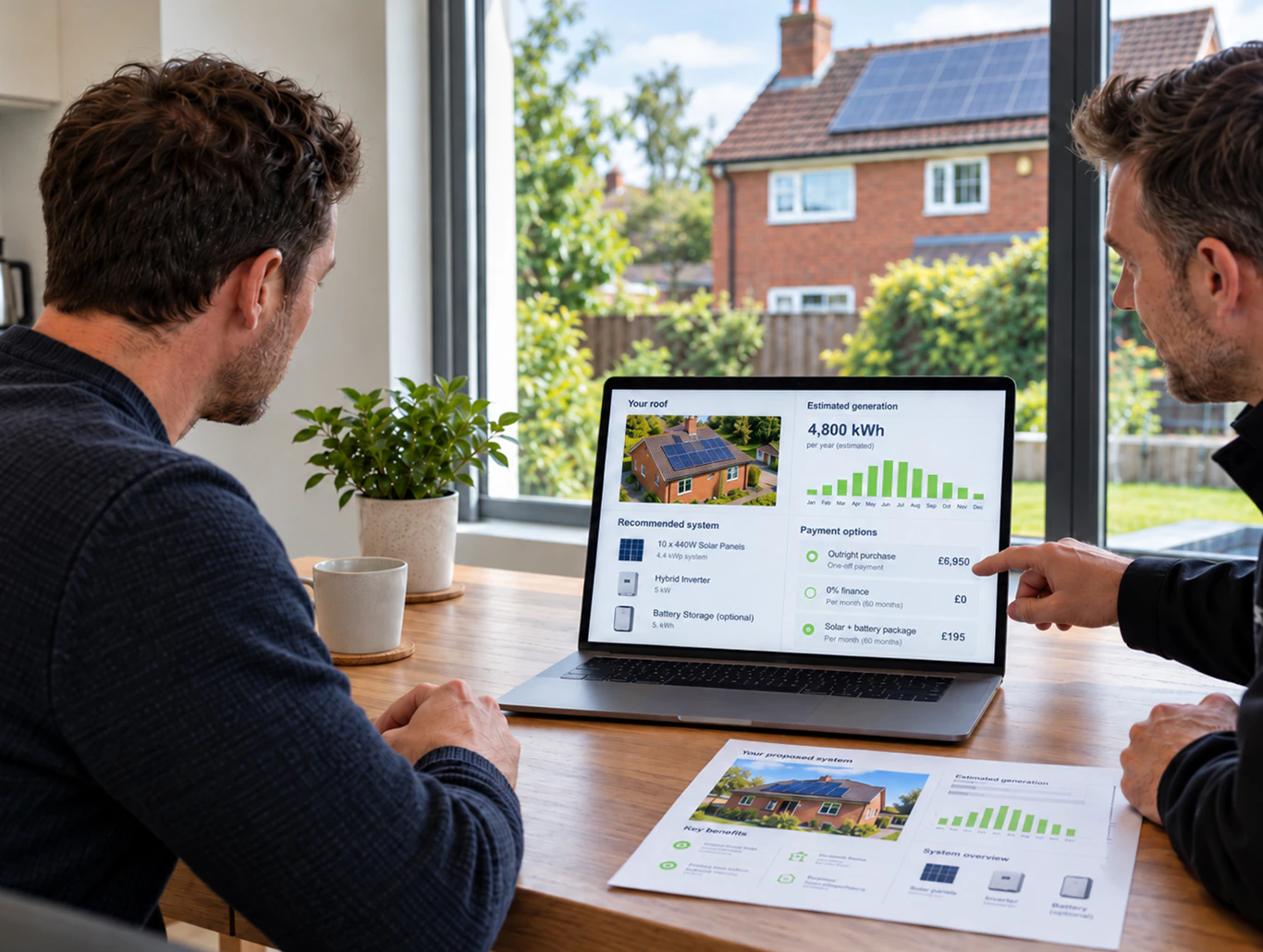
Every home is different. We provide a system recommendation based on the property's roof and electricity requirements so homeowners can review the proposed equipment, estimated generation and payment options before making a decision.
Eco Energy Services is a UK energy-efficiency and renewable-energy company providing residential solar PV, battery storage and other home-energy improvements. The company supports homeowners from assessment and system design through installation, documentation and ongoing support.
This solar site is part of Eco Energy Services. About Eco Energy Services · Contact Eco Energy Services
20+
years
Combined industry experience
10,000+
home-energy installations
Across all Eco Energy Services work, not solar alone

MCS-certified solar installation
MCS is the UK quality mark for renewable energy systems

TrustMark registered
PAS 2030/2035 compliant retrofit work
Straight answers to the questions UK homeowners ask most about solar panels and battery storage.
Have a question about your own roof, usage or budget? A solar advisor can talk it through with you.
Solar can make financial sense in the UK because panels generate electricity from daylight, not only direct sunshine. The result for an individual home depends on roof orientation, shading, electricity consumption, system size, energy prices and whether battery storage is included.
Yes. Solar panels continue generating electricity under cloudy conditions, although output is lower than under stronger sunlight. Annual generation estimates should account for the property's location, roof orientation, pitch and shading.
The price depends on the number and specification of panels, inverter, battery capacity, roof complexity, scaffolding and electrical work. A property assessment allows the system and price to be tailored rather than relying on a generic package.
No. Solar panels can operate without a battery. A battery stores surplus electricity for later use and may increase the proportion of generated electricity used within the home. Whether it is worthwhile depends on household usage and tariffs.
The number depends on available roof space, panel output and how much electricity the household uses. A system should be sized using both the roof assessment and the property's consumption rather than bedroom count alone.
No. South-facing roofs often provide strong annual generation, but suitable east- and west-facing roofs can also work well. The expected output should be modelled for the actual roof orientation and shading.
Yes, but annual solar generation is seasonal. UK systems generally produce considerably more electricity during longer, brighter summer days than during shorter winter days.
Eligible solar households may receive payment for electricity exported to the grid through a Smart Export Guarantee tariff offered by participating electricity suppliers. Rates and eligibility conditions depend on the supplier and tariff.
Many residential installations can be completed under permitted development rights, but restrictions can apply depending on the property, location and installation. Listed buildings, conservation areas and unusual installations may require additional checks.
MCS describes itself as the UK's quality mark for renewable energy systems such as solar panels and heat pumps. It sets standards for installers and the products they use, and MCS certification is a requirement for accessing many UK incentives.
The physical installation can often be completed relatively quickly once design, access, equipment and approvals are ready, but the overall project timeline varies by property and connection requirements.
A standard grid-connected solar system switches off automatically during a power cut, so it does not power the home while the grid is down. Some battery and inverter combinations can supply backup power to selected circuits, but this is product-dependent and must be designed and specified for that purpose.
We use recognised UK guidance and industry standards when explaining solar installation, electricity export, planning and system performance.